Your personal performance laboratory
Find your fastest.
See the position you actually race in. Turn race photos and trainer video into better questions, then test what makes you faster.
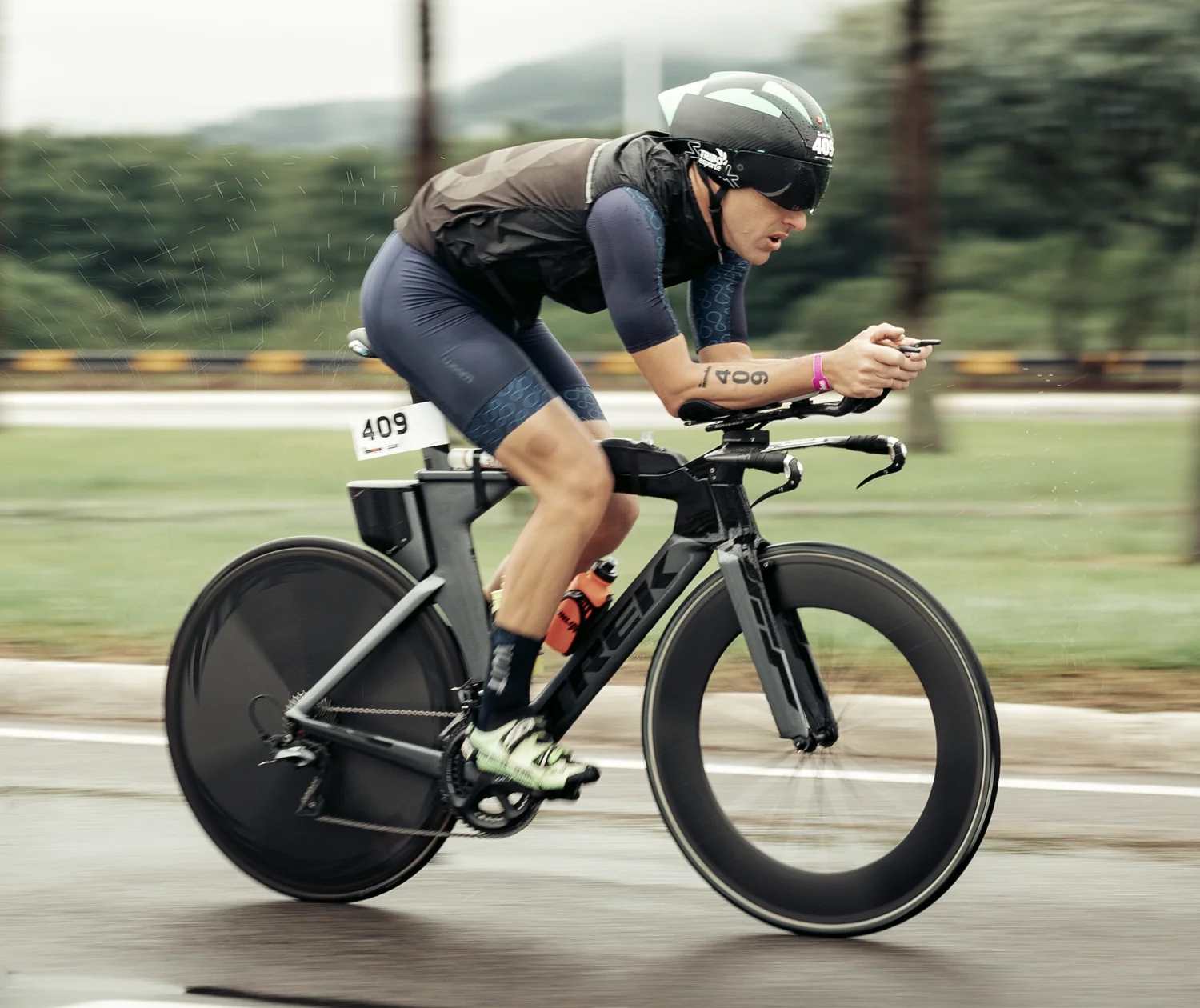 Illustrative overlay
Example hypotheses
Investigate head position
In this example, the head appears relatively elevated compared with the shoulders. Test whether a lower, sustainable position changes your measured aero performance.
Evaluate arm support
Compare the current elbow configuration with a slightly different pad position. Confirm fit and comfort before changing hardware.
Validate your changes
Record your adjusted position and use controlled outdoor testing to determine whether the difference is actually faster.
How it works
From race photo to field test.
See the position you race in and make a plan to test your next change.
Capture
Import race photos or record your position on the trainer. Start with how you actually ride.
Understand
See visible posture landmarks, compare positions, and identify changes worth investigating.
Optimize
Turn an observation into a test. Change one variable, then use repeated runs to see how it performs.
Race Photo Intelligence
See your form. Find your fastest.
Your race photos have more to tell you. Inspect visible landmarks across captures and choose a reference position to see what changes.
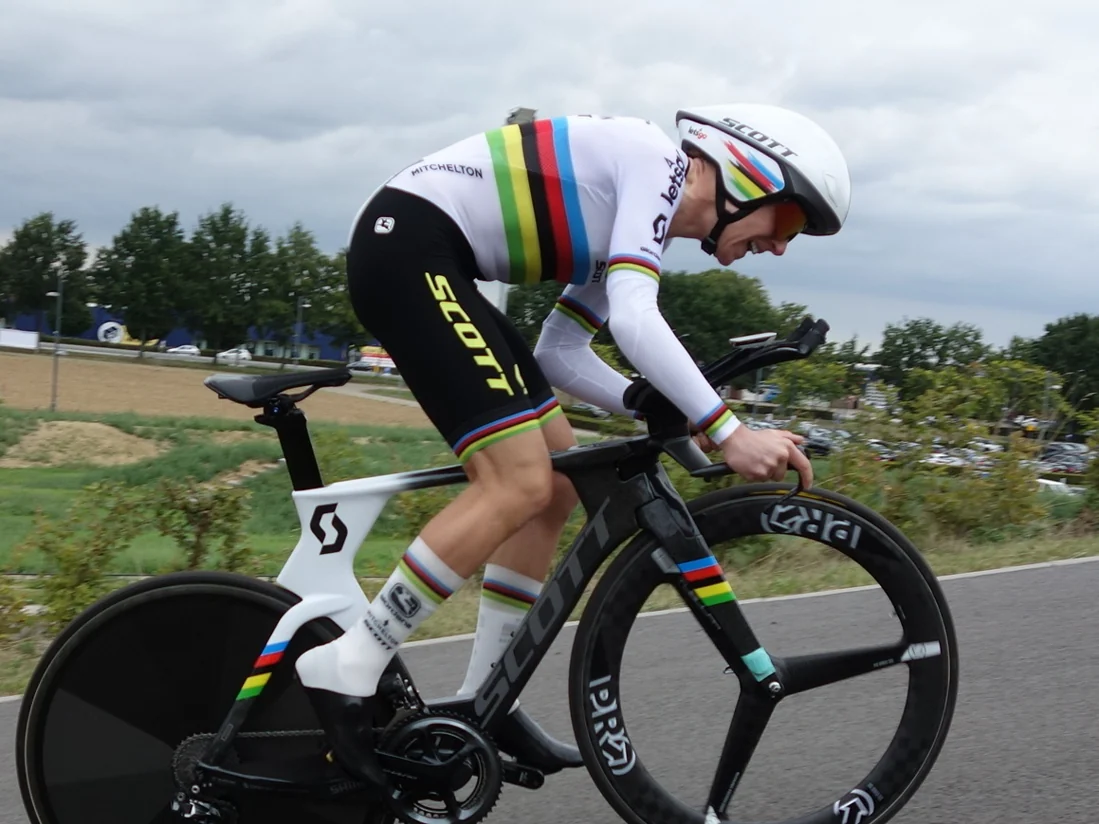
Example measurements and confidence ratings are illustrative. Photo credits
Position Comparison
See what changed.
Move between two riding positions to see where your torso and arms shifted. Use what you observe to plan your next test.
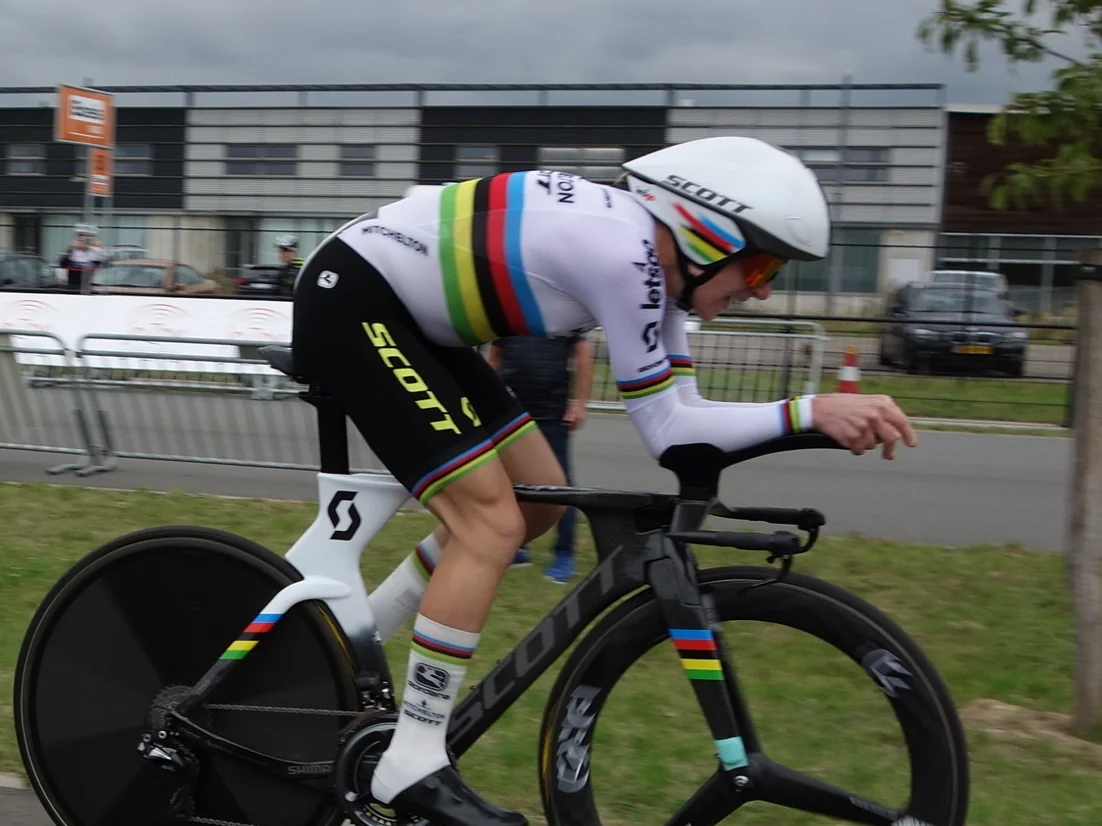
- Torso inclination
- 21° → 16°
- Elbow angle
- 131° → 94°
- Mind the camera angle
- These race frames illustrate two positions. Perspective can shift apparent angles. Use matched camera views for a controlled comparison.
The personal performance lab
Beyond the bike fit.
We’re building a personal research system for endurance athletes. The goal is to help you keep track of what you tried, how it felt, and what held up on the road.
- Aerodynamics
- Equipment comparisons
- Sustainable riding position
- Race-specific optimization
The science
Performance should be measured.
A photo can show how you hold a position. Measuring drag area (CdA) takes separate aerodynamic testing.
Computer vision measurements
Trace visible landmarks to estimate posture and joint angles in the image plane. Camera angle and obscured joints affect what you can infer.
Experimental hypotheses
Turn a posture difference into a question you can test. For example, can you hold a lower head position at race effort?
Real-world aerodynamic validation
Run controlled, repeatable tests to determine whether a change improves aerodynamic performance under comparable conditions.
Early access
Your next breakthrough starts with a photo.
Get an invitation to test WattForm on the position you actually race in.
Early-access signup is currently closed. Please check back soon.